What did we learn from our test cases?
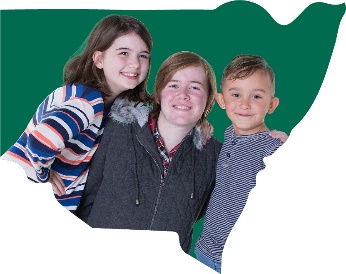
Early childhood supports
| This test case was about support for children with disability during their early childhood – before they start school. |
| This includes children with developmental delay. |
| When a child has a developmental delay, it means they don’t grow or develop how other children their age do. |
| When we say children with disability, we also mean children with developmental delay. |




This test case let us answer questions about: | |
|
|
|
|
|
|
|
|




Important information from the early childhood supports test case
| In this test case we used a different way of linking data about children with disability. |
| In this test case we looked at all children in New South Wales. |
| We found out which children used disability supports before they started school. |
| We also found out which children with disability:
|
| We also found out which children didn’t use disability support. |




What will happen next in the early childhood supports test case?
| We will work out which children used services before they started school. |
| We will look at the link between:
|
| We will look at how different groups of children move between different services. |
| We will make a tool to look at data outside of this test case. |



People with disability who are involved in the justice system
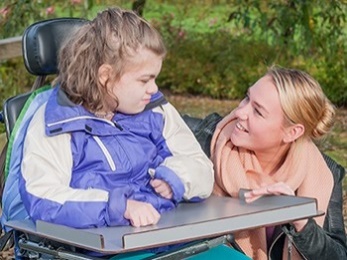
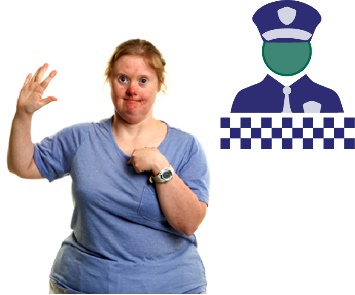
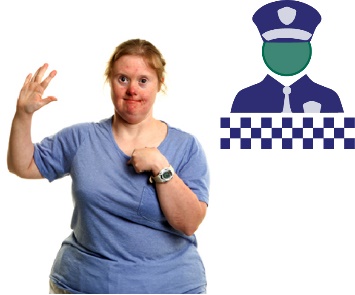
| This test case was about people with disability who were involved with the justice system. |
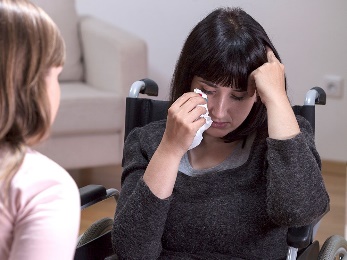
| People with disability might be involved in the justice system if they’re a victim. |
| A victim is someone who experiences a crime. A crime is when someone:
|
| People with disability might be involved in the justice system if they’re an offender. |
| An offender is someone who:
|
This test case let us answer questions about: | |
|
|
|
|
|
|
|
|





Important information from the test case on people with disability who are involved in the justice system
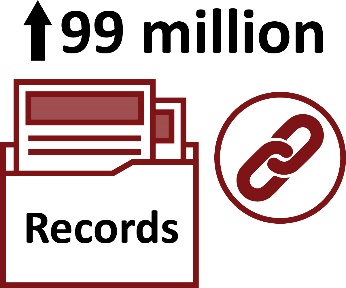
| We linked more than 99 million records. |
| We linked sets of:
|
| In our test case, we looked at 2.8 million people with disability who came into contact with:
|
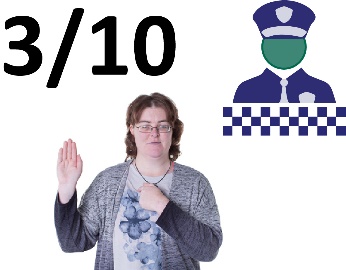
| About 3 in 10 people who used a disability service came into contact with the justice system. |
| About 1 in 10 people who were involved in the justice system came into contact with a disability service. |
| There are now better ways to tell if someone is a person with disability. |
| We worked with First Nations researchers to understand data about First Nations peoples in the justice system. |
| We learned what data was missing. |



What will happen next in the test case on people with disability who are involved in the justice system?
| We will look at how different services tell if someone is a person with disability. This includes disability services. |
We will look at the outcomes for people with disability who are: | |
|
|
|
|


| We will look at how people with disability use services when they’re involved in the justice system. This includes:
|
| We will find more data about people with disability who are involved in the justice system. |

Housing services data
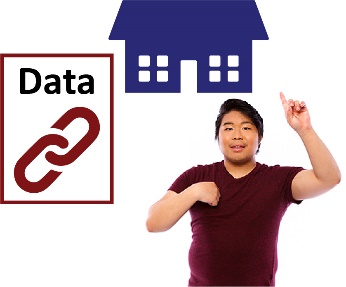
| This test case was about data about people with disability who use housing services. |
| Housing services support people with disability where they live. |
In this test case we answered questions about: | |
|
|
|
|
|
|
| In this test case we also answered questions about how we can use the new data for Australia’s Disability Strategy (the Strategy). |
| The Strategy is a plan to make life better for people with disability. |




Important information from the housing services data test case
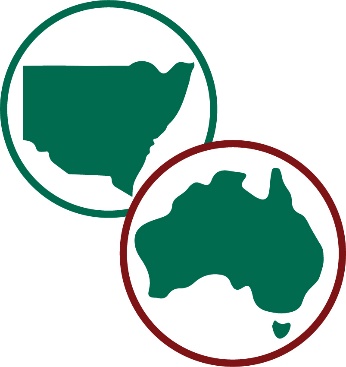
| This test case used data from different states and territories. |
| This test case talked about people with disability from all age groups. |
| There was a lot of linked data about people with disability who use housing services. |
What will happen next in the housing services data test case?
We will look at how people with disability use: | |
|
|
|
|
| Homelessness services help people who:
|
| We will look at how we tell who is a person with disability. |
| We will write a report based on what we found. |


Mental health services for people with disability
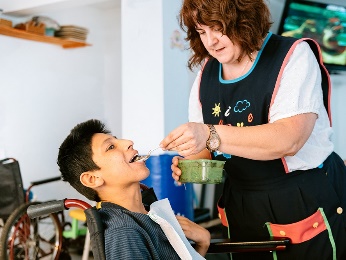
| This test case was about mental health services. |
| Mental health services support people with their mental health problems. |
| A mental health service can be an:
|


We could answer questions about: | |
|
|
|
|
|
|
|
|



Important information from the test case on mental health services for people with disability
| We linked data about people with mental health problems from Victoria with Australian data. |
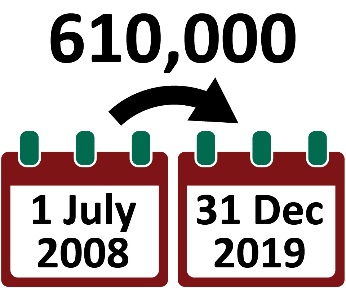
| The linked data looked at around 610,000 Victorians who used disability supports:
|
| This test case will help understand how to make mental health services better. |
What will happen next in the test case on mental health services for people with disability?
We will look at how we tell who is a person with disability and see what: | |
|
|
|
|
| We will look at how people with disability use mental health services. |
| This will help us find missing data on mental health services. |




Leaving school and starting work
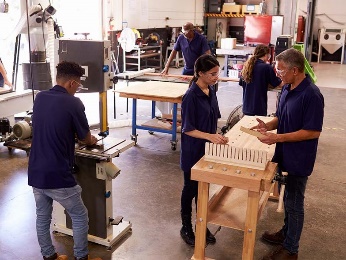
This test case was about young people with disability who: | |
|
|
|
|
|
|
|
|



This test case let us answer questions about: | |
|
|
|
|
|
|



Important information from the test case on leaving school and starting work
| There was a lot of linked data in this test case. |
| We looked at different data about young people with disability. |
| Organisations that wouldn’t usually work together, did work well together. |
| There are things we can do to get better data about young people with disability. |


This test case helps us understand how many people with disability start: | |
|
|
|
|

What will happen next in the test case on leaving school and starting work?
| We will understand what might make it better for young people with disability when they:
|
| We will look at data about young people with disability and see what data can be better. |
| We will look at the learning outcomes of young people with disability who have left school. |

What did we learn from our test cases?
Early childhood supports
| This test case was about support for children with disability during their early childhood – before they start school. |
| This includes children with developmental delay. |
| When a child has a developmental delay, it means they don’t grow or develop how other children their age do. |
| When we say children with disability, we also mean children with developmental delay. |
This test case let us answer questions about: | |
|
|
|
|
|
|
|
|
Important information from the early childhood supports test case
| In this test case we used a different way of linking data about children with disability. |
| In this test case we looked at all children in New South Wales. |
| We found out which children used disability supports before they started school. |
| We also found out which children with disability:
|
| We also found out which children didn’t use disability support. |
What will happen next in the early childhood supports test case?
| We will work out which children used services before they started school. |
| We will look at the link between:
|
| We will look at how different groups of children move between different services. |
| We will make a tool to look at data outside of this test case. |
People with disability who are involved in the justice system
| This test case was about people with disability who were involved with the justice system. |
| People with disability might be involved in the justice system if they’re a victim. |
| A victim is someone who experiences a crime. A crime is when someone:
|
| People with disability might be involved in the justice system if they’re an offender. |
| An offender is someone who:
|
This test case let us answer questions about: | |
|
|
|
|
|
|
|
|
Important information from the test case on people with disability who are involved in the justice system
| We linked more than 99 million records. |
| We linked sets of:
|
| In our test case, we looked at 2.8 million people with disability who came into contact with:
|
| About 3 in 10 people who used a disability service came into contact with the justice system. |
| About 1 in 10 people who were involved in the justice system came into contact with a disability service. |
| There are now better ways to tell if someone is a person with disability. |
| We worked with First Nations researchers to understand data about First Nations peoples in the justice system. |
| We learned what data was missing. |
What will happen next in the test case on people with disability who are involved in the justice system?
| We will look at how different services tell if someone is a person with disability. This includes disability services. |
We will look at the outcomes for people with disability who are: | |
|
|
|
|
| We will look at how people with disability use services when they’re involved in the justice system. This includes:
|
| We will find more data about people with disability who are involved in the justice system. |
Housing services data
| This test case was about data about people with disability who use housing services. |
| Housing services support people with disability where they live. |
In this test case we answered questions about: | |
|
|
|
|
|
|
| In this test case we also answered questions about how we can use the new data for Australia’s Disability Strategy (the Strategy). |
| The Strategy is a plan to make life better for people with disability. |
Important information from the housing services data test case
| This test case used data from different states and territories. |
| This test case talked about people with disability from all age groups. |
| There was a lot of linked data about people with disability who use housing services. |
What will happen next in the housing services data test case?
We will look at how people with disability use: | |
|
|
|
|
| Homelessness services help people who:
|
| We will look at how we tell who is a person with disability. |
| We will write a report based on what we found. |
Mental health services for people with disability
| This test case was about mental health services. |
| Mental health services support people with their mental health problems. |
| A mental health service can be an:
|
We could answer questions about: | |
|
|
|
|
|
|
|
|
Important information from the test case on mental health services for people with disability
| We linked data about people with mental health problems from Victoria with Australian data. |
| The linked data looked at around 610,000 Victorians who used disability supports:
|
| This test case will help understand how to make mental health services better. |
What will happen next in the test case on mental health services for people with disability?
We will look at how we tell who is a person with disability and see what: | |
|
|
|
|
| We will look at how people with disability use mental health services. |
| This will help us find missing data on mental health services. |
Leaving school and starting work
This test case was about young people with disability who: | |
|
|
|
|
|
|
|
|
This test case let us answer questions about: | |
|
|
|
|
|
|
Important information from the test case on leaving school and starting work
| There was a lot of linked data in this test case. |
| We looked at different data about young people with disability. |
| Organisations that wouldn’t usually work together, did work well together. |
| There are things we can do to get better data about young people with disability. |
This test case helps us understand how many people with disability start: | |
|
|
|
|
What will happen next in the test case on leaving school and starting work?
| We will understand what might make it better for young people with disability when they:
|
| We will look at data about young people with disability and see what data can be better. |
| We will look at the learning outcomes of young people with disability who have left school. |