Our panels
| | A panel is a group of people that talk about important ideas. | ||
| | We had 3 panels to help us make decisions. All the panels include people with disability. | ||
| | We explain their work in the following sections. | ||
Indicators Panel
| | The Indicators Panel helped create the first disability flags. Disability flags are ways of measuring disability in the Data Asset. |
| | For example, how many people with disability use services – like health services. |
| | The Indicators panel gave us advice about:
|

Scoping Panel
| | The Scoping Panel wrote a report for the Council. | |
The report had ideas about: | ||
| | other panels we could set up in the future | |
| | important ideas those panels could work on. | |
| | The report also had ideas about what data we still need for the Data Asset. | |
| | You can read the report on our website. There is also an Easy Read version. www.ndda.gov.au/how-we-work/advisory-panels/scoping-panel-report | |
| | We decided to make 2 new panels in the future. | |
They will focus on: | ||
| | children and young people with disability | |
| | jobs for people with disability. | |


Ethical Oversight Panel
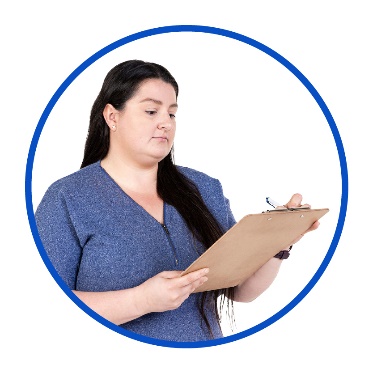
| | The Ethical Oversight Panel checks that research projects:
| ||
| | The Ethical Oversight Panel wrote a guide about inclusive research. | ||
| | When something is inclusive, everyone:
| ||
| | We want researchers to use the guide to make research more inclusive. | ||
| | You can read the guide on our website. There is also an Easy Read version. | ||